Strategy decks get debated. Working prototypes get funded.
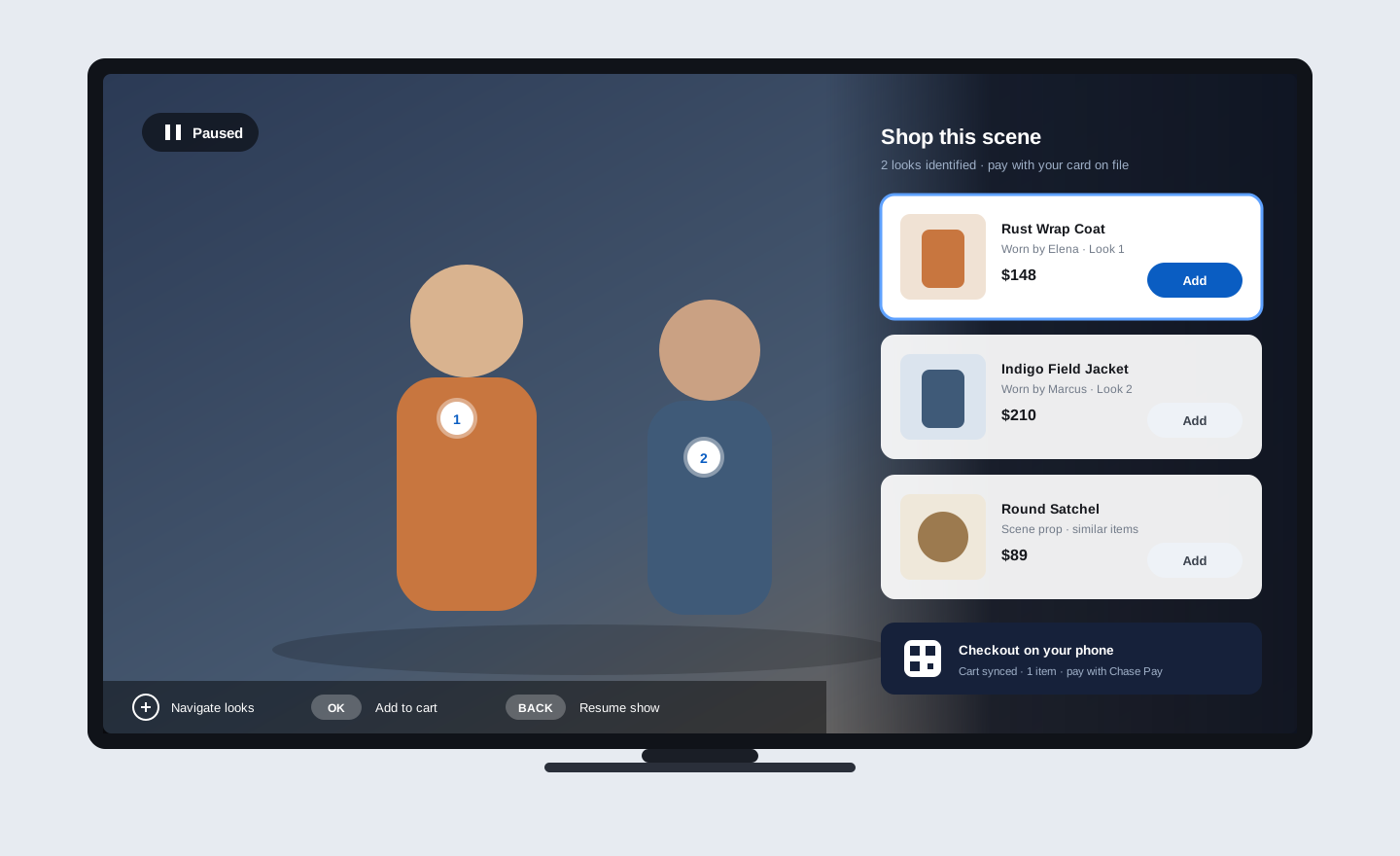
To make "commerce beyond the app" tangible at JPMorgan Chase, I prototyped a smart TV shopping experience: pause a show, shop the look, book the trip you're watching with points. I demoed it live to executives. It turned an abstract cross-channel debate into a concrete decision.
The brief
The strategy team had a thesis: a bank that owns the payment credential and the rewards balance could meet customers in new channels, starting with the largest screen in the house. The thesis kept stalling in review because nobody could picture it. My brief was to make it impossible not to picture.
Designing for the 10-foot experience
TV is a hostile surface for commerce: no keyboard, a five-button remote, and an audience that is actively trying to relax. The interaction model was built around three rules:
- Commerce only on pause. Shopping never interrupts playback; it lives in the pause state, where attention is already broken.
- D-pad only. Every action reachable with arrows, OK, and back. If a flow needed text entry, it was wrong.
- The phone finishes the job. The TV is for discovery and intent; checkout, addresses, and anything personal hands off to the customer's phone, where the card on file and biometrics already live.
From outfits to itineraries
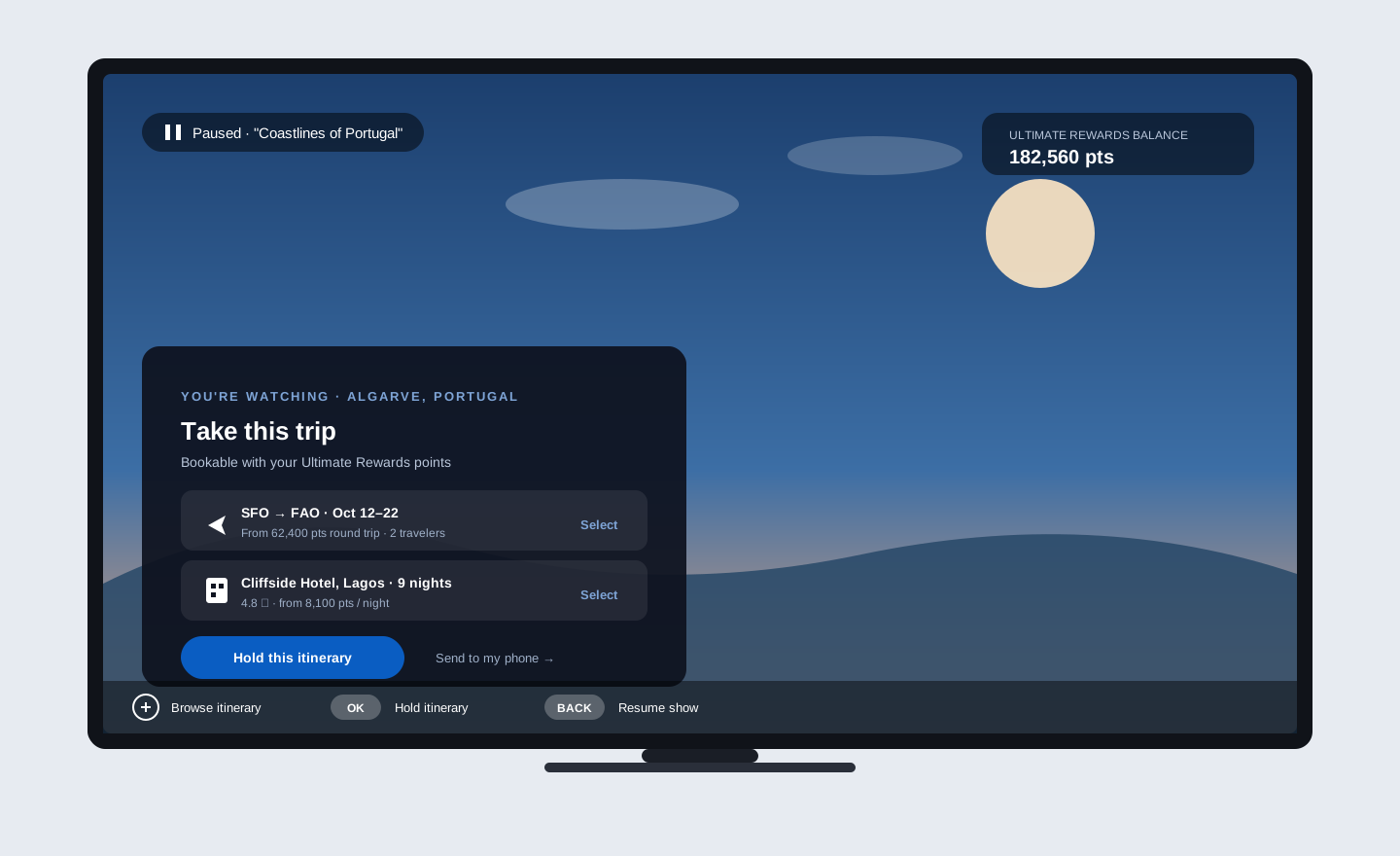
The second scenario stretched the same model to travel: watching a documentary set on the Portuguese coast, a customer can pull up a bookable itinerary, flights and hotel priced in rewards points against their live balance, hold it from the couch, and finish on their phone. It demonstrated that the pattern wasn't a shopping gimmick; it was a channel strategy that worked anywhere the bank's credentials and points could follow the customer's attention.
Outcome
These mockups are recreations made for this portfolio. Content, data, and visual details have been altered to honor confidentiality; the interaction model is representative of the prototype.