Finding the right API used to take weeks. We made it a conversation.
At JPMorgan Chase, I led design for an AI-driven self-service platform that lets internal product teams discover, understand, and request access to payment APIs, cutting onboarding time by 70%.
The problem
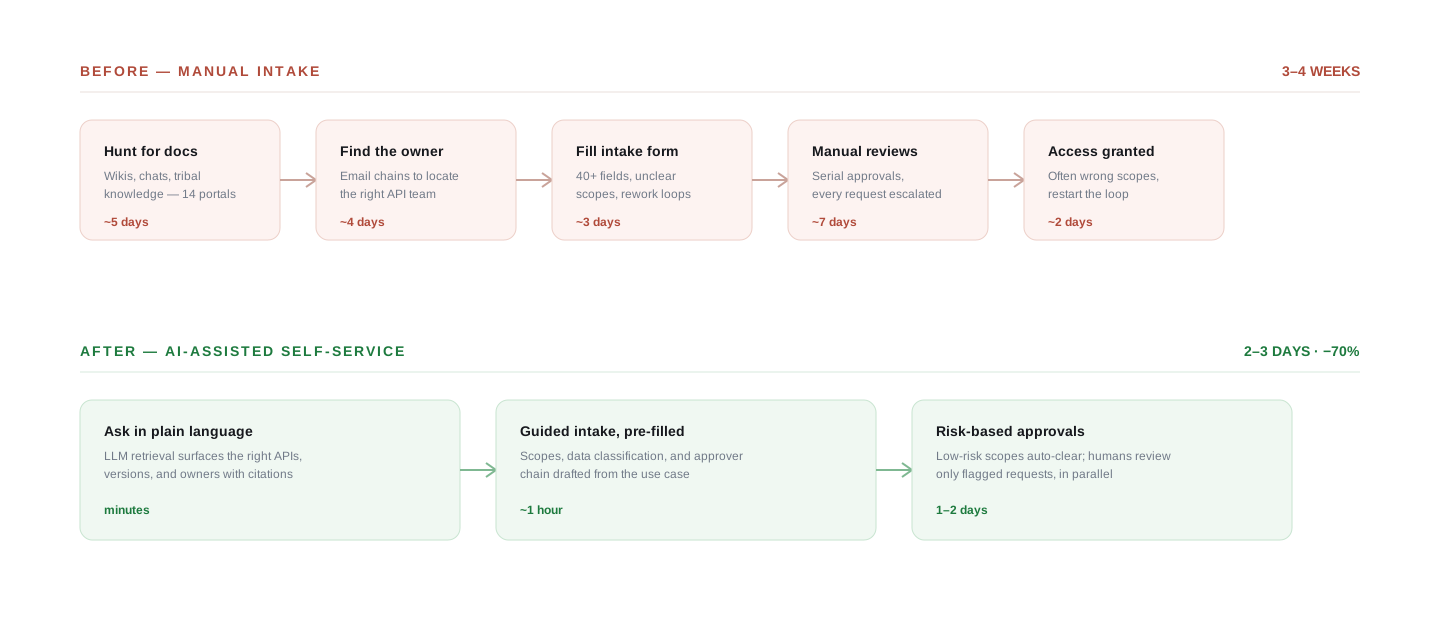
Inside a bank the size of JPMorgan Chase, "use our own APIs" is harder than it sounds. Documentation for over a thousand internal APIs lived across more than a dozen portals, wikis, and team channels. Finding the right product, the right version, and the right owner was tribal knowledge, and the intake form that followed asked 40+ questions most requesters couldn't answer confidently.
The result: a typical team spent three to four weeks getting access to an API, most of it waiting: on answers, on the right approver, on rework when scopes came back wrong.
The insight
When we shadowed engineers through onboarding, the pattern was clear: people didn't want to browse a catalog. They wanted to describe what they were building and have the platform do the mapping. LLMs made that interaction finally credible, but only if every answer was grounded in real documentation with visible citations. In a bank, an eloquent wrong answer is worse than no answer.
The design
Three principles shaped every screen:
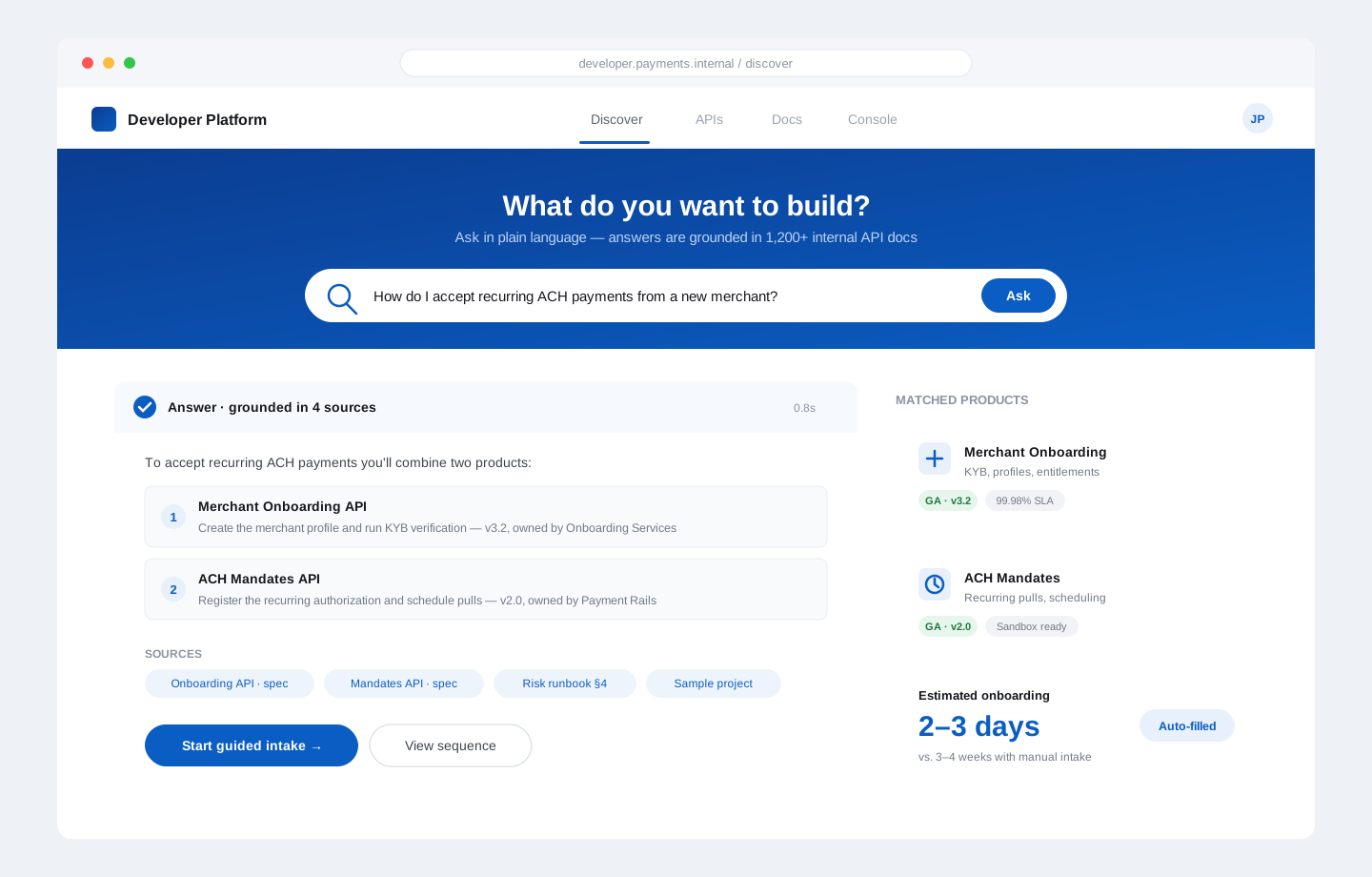
- Ask, don't browse. The front door is a plain-language question. The system retrieves matching API products, owners, versions, and SLAs, with sources pinned to every claim.
- Show your work. Each AI answer carries citation chips back to specs and runbooks, plus latency and confidence cues. Trust was a design requirement, not a nice-to-have.
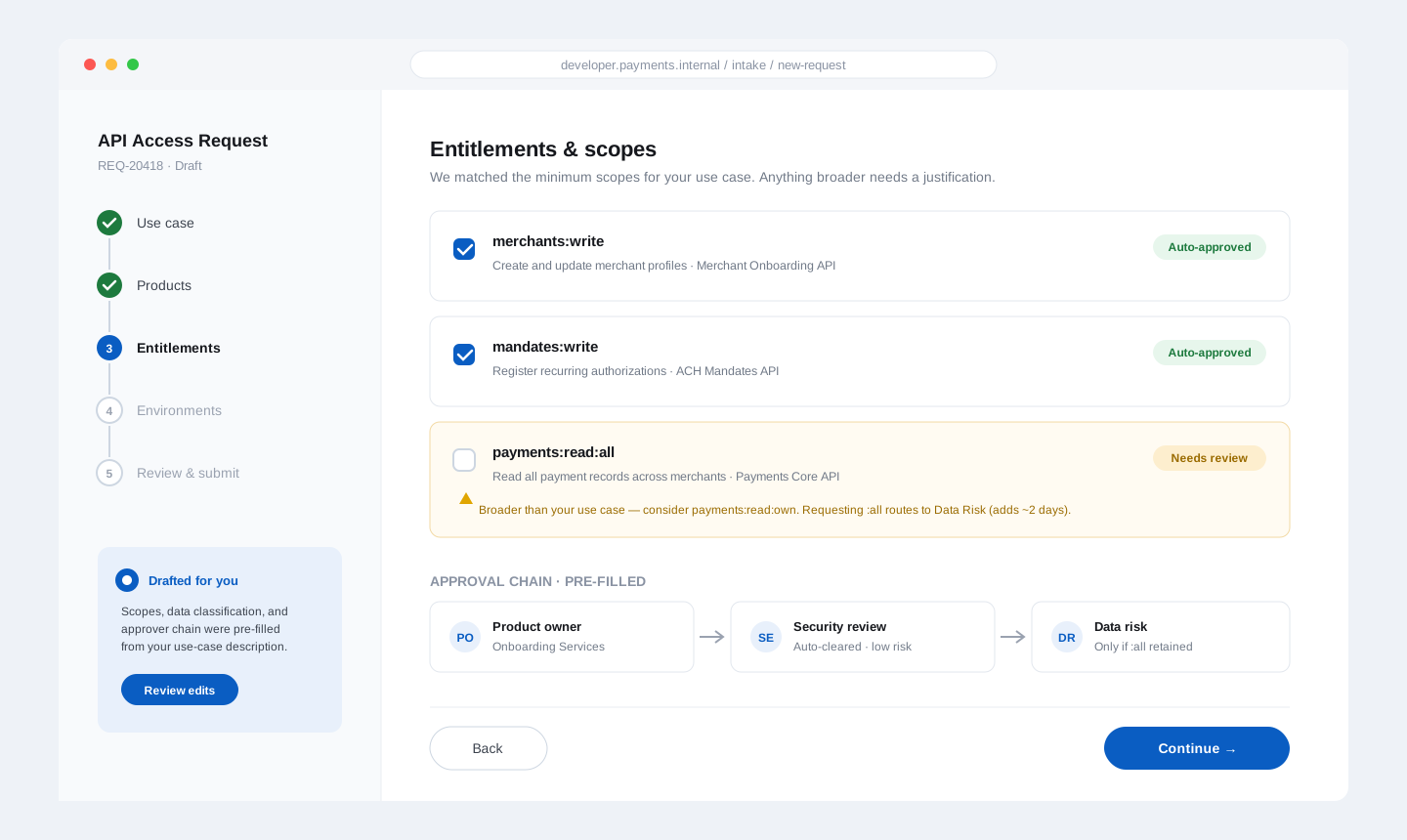
- Draft, then verify. The intake wizard arrives pre-filled (scopes, data classification, approver chain) inferred from the use-case description. People review and correct instead of starting from blank fields.
The risk conversation
The hardest design work happened off-canvas. Security and data-risk partners were understandably wary of auto-approving anything. We co-designed a risk-tiering model with them: low-risk scopes auto-clear, flagged scopes route to humans in parallel rather than in series, and the requester always sees where they are in the chain. The approval flow in the UI is a direct portrait of that negotiated policy.
Outcome
These mockups are recreations made for this portfolio. Product names, data, copy, and visual details have been altered to honor confidentiality; the interaction patterns and outcomes are representative of the shipped work.